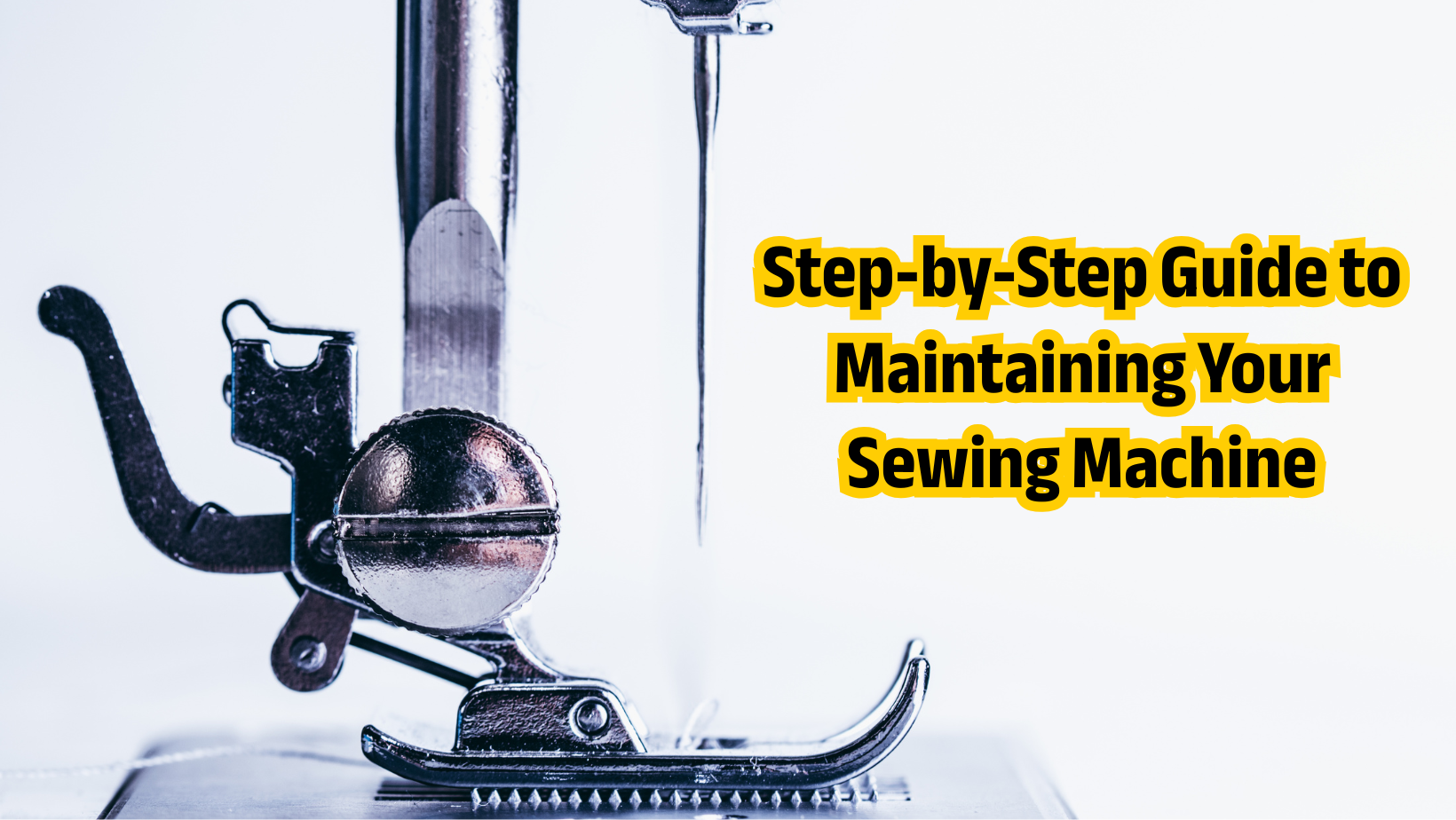
Keeping your sewing
machine well-maintained saves time, prevents frustrating breakdowns,
and prolongs the life of a machine you love. Follow this simple, SEO-friendly
maintenance routine to keep stitches even and projects happy.
1. Read the manual (yes, really)
Every machine is different. Skim your owner’s manual for
recommended oil, cleaning intervals, and the right bobbin and needle types.
This small step prevents using the wrong supplies and voiding warranties.
2. Clean after every few projects
Dust, lint, and tiny threads build up fast. After 3–5 sewing
sessions:
Tip: avoid strong blasts of compressed air that push debris
deeper into the machine.
3. Change needles regularly
A dull or bent needle causes skipped stitches and fabric
damage. Replace needles:
Match the needle type and size to your fabric (ballpoint for
knits, sharp for woven).
4. Oil where required
Only some machines need oil; many modern models are
“lubrication-free” or have sealed gears. If your manual recommends oil:
5. Check tension and timing
If stitches look uneven or loops appear on the underside:
6. Keep it covered and stored well
When not in use, cover your machine with a dust cover or
keep it in a case. Store in a dry, stable-temperature area to prevent rust and
electronic issues.
7. Schedule professional servicing
An annual service by a qualified technician keeps internal
parts aligned and prevents costly repairs. If you sew heavily (quilting,
upholstery), consider twice-yearly checkups.
Quick troubleshooting checklist
Conclusion
Regular, simple maintenance keeps your sewing machine
stitching smoothly and your projects looking professional. Small habits
cleaning, changing needles, and following the manual prevent most sewing
headaches.














A sister concern of Ambala Fintech
Address House-67, Block-ka Pisciculture Housing Society, Dhaka 1207
Phone +8809610992323
Email info@ambalashop.com