.webp)
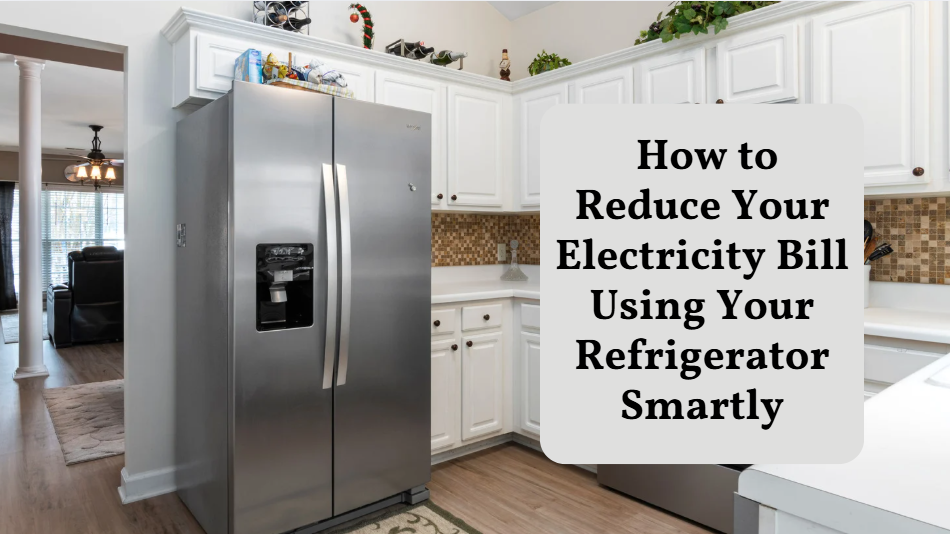
Your refrigerator is one of the most energy-consuming
appliances in your home. While it keeps your food fresh, it can also
significantly increase your electricity bill if not used efficiently. The good
news is, with a few smart practices, you can save energy, reduce your
electricity bill, and even extend the life of your fridge. Here’s how.
1. Maintain the Right Temperature
Keeping
your refrigerator and freezer at the optimal temperature is crucial. The ideal
temperature for the fridge is between 37°F and 40°F (3°C–4°C), and for the
freezer, 0°F (-18°C). Temperatures colder than necessary not only waste energy
but can also damage your food. Consider using a thermometer to monitor the
temperature accurately.
2. Avoid Overloading Your Fridge
While it’s tempting to stock up on groceries, overfilling
your fridge blocks air circulation. Poor air circulation makes the compressor
work harder, consuming more electricity. Make sure there’s enough space for air
to flow around your food items.
3. Organize Food Properly
An organized refrigerator
not only helps you find items quickly but also reduces the time the door stays
open. Every second the door is open, cold air escapes, and the compressor works
overtime to restore the temperature. Use clear containers, label shelves, and
arrange items by frequency of use to minimize door opening time.
4. Keep the Door Seals Clean and Intact
Damaged or dirty door seals allow cold air to escape,
increasing energy consumption. Clean the seals regularly with warm, soapy
water, and check for cracks or gaps. If the seal is worn out, replace it
immediately. A tight seal can save you a significant amount on your electricity
bill.
5. Position Your Refrigerator Correctly
Placement matters. Avoid putting your fridge near heat
sources like ovens, stoves, or direct sunlight. Heat exposure forces the
appliance to work harder to maintain its internal temperature. Also, ensure
there’s adequate space around the fridge for ventilation. Most manufacturers
recommend at least 2–3 inches of space on all sides.
6. Defrost Regularly
If you have a manual defrost fridge, ice buildup can
reduce efficiency. Thick frost layers make the compressor work harder,
consuming more energy. Defrost your freezer
when the ice layer reaches about 0.25 inches (0.6 cm) to maintain optimal
performance.
7. Energy-Efficient Habits
Don’t put hot food directly into the fridge. Let it cool
to room temperature first. Open the fridge only when necessary. Plan what you
need before opening the door. Use energy-saving modes if your refrigerator has
them.
8. Consider an Energy-Efficient Model
If your fridge is old, upgrading to an energy-efficient
model with an Energy Star rating can drastically reduce your electricity
consumption. Modern refrigerators use advanced compressors and better
insulation to save energy without compromising performance.
Conclusion
Using your refrigerator
smartly is a simple yet effective way to reduce your electricity bill. By
maintaining the right temperature, organizing food, cleaning seals, and
practicing energy-efficient habits, you can keep your fridge running
efficiently year-round. Small changes today can lead to big savings tomorrow,
both for your wallet and the environment.













A sister concern of Ambala Fintech
Address House-67, Block-ka Pisciculture Housing Society, Dhaka 1207
Phone +8809610992323
Email info@ambalashop.com