.webp)
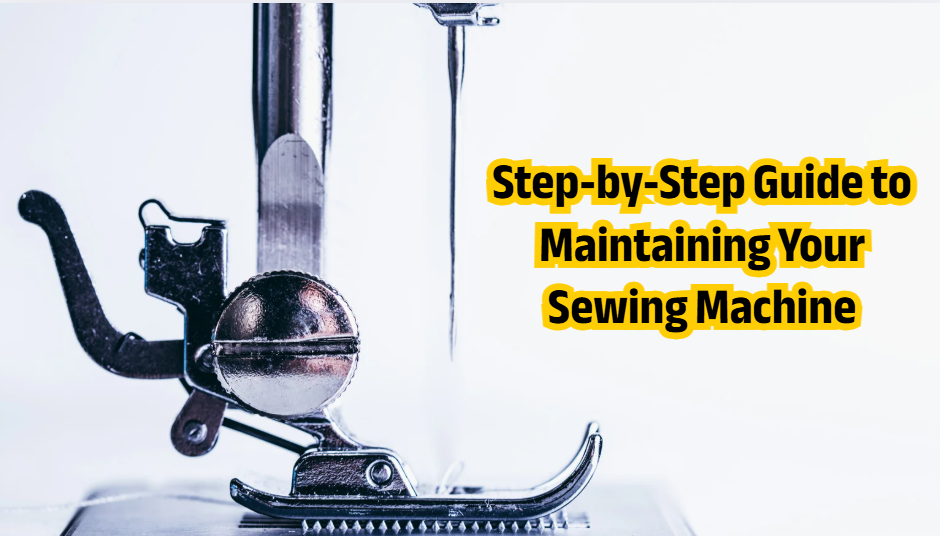
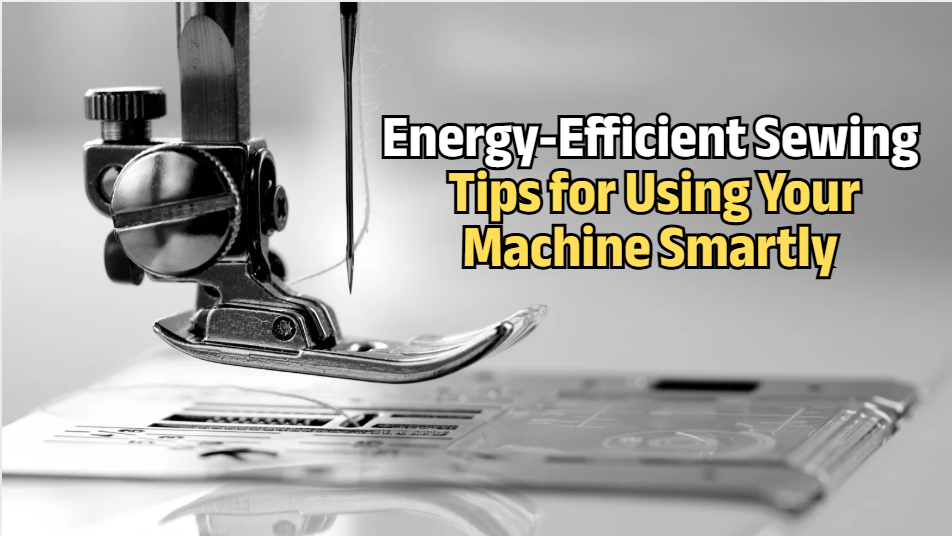
Sewing is a creative and
fulfilling hobby, but many hobbyists often overlook the energy their sewing
machines consume. Energy-efficient sewing isn’t just good for your electricity
bill—it’s also better for the environment. By adopting a few simple habits, you
can enjoy your craft while minimizing energy waste. In this guide, we’ll share
practical tips to use your sewing machine smartly and embrace energy-efficient
sewing.
1. Choose the Right Sewing Machine
Not all sewing machines are created equal. Modern machines are often designed with energy-saving features, such as low-power motors and automatic standby modes. If you’re buying a new machine, look for energy-efficient sewing machines with features like LED lighting and adjustable speed controls. Even small energy-saving designs can make a difference over time.
2. Optimize Your Sewing Sessions
One of the simplest ways to save energy is by planning your sewing sessions efficiently. Instead of turning the machine on and off multiple times, try to complete your projects in fewer, longer sessions. This reduces the repeated energy surge that happens when powering the machine on. Additionally, keep your machine well-maintained; a well-oiled and clean machine runs smoothly, consuming less energy.
Your sewing machine’s speed and stitch settings can affect energy usage. High-speed stitching or heavy-duty settings often consume more power. For simple tasks, adjust your machine to a moderate speed and use lightweight settings. By matching the stitch type to the fabric and project, you save both energy and machine wear.
4. Utilize LED Lighting
Many older sewing machines use traditional bulbs that consume more electricity. Replacing them with LED lights is a simple way to cut energy consumption. LED lights provide bright, clear illumination while using a fraction of the energy of incandescent bulbs. This small change can significantly improve your energy-efficient sewing setup.
5. Turn Off When Idle
It may sound obvious, but many hobbyists leave their machines plugged in or turned on while not in use. Always turn off your sewing machine and unplug it when you step away, even for short periods. This practice prevents “phantom” energy usage and keeps your sewing area safe.
6. Maintain Your Machine Regularly
A well-maintained sewing machine runs more efficiently. Dust, lint, and worn parts can make your machine work harder, using more electricity. Clean your machine regularly, oil moving parts as recommended, and replace worn components. This not only enhances energy efficiency but also prolongs the life of your machine.
7. Consider Alternative Power Sources
For those deeply committed to sustainable crafting, exploring alternative power options is a great choice. Solar-powered sewing machines or using energy-efficient extension cords and power strips can further reduce your energy footprint.
Conclusion
Adopting energy-efficient sewing habits doesn’t require major investments small changes in machine use, settings, lighting and maintenance can save energy and money. By being mindful of your sewing practices, you contribute to a greener environment while enjoying your creative projects. Embrace these tips and transform your sewing routine into a smart, eco-friendly activity.









A sister concern of Ambala Fintech
Address House-67, Block-ka Pisciculture Housing Society, Dhaka 1207
Phone +8809610992323
Email info@ambalashop.com